
The landscape of application development is undergoing a fundamental transformation. Writing and reviewing code used to be the most challenging aspects of software development, but now the critical skill has shifted to effectively communicating what you want to build with a Large Language Model. This paradigm shift has given rise to what's known as spec-driven development, and understanding it could be the key to your success as an AI engineer or developer leveraging AI tools.
Understanding Vibe Coding: The Common Approach to AI-Assisted Development

Before diving into spec-driven development, it's essential to understand vibe coding, which is what most people think of when they hear about AI-assisted coding or coding agents. Vibe coding represents the intuitive, conversational approach that many developers naturally gravitate toward when working with AI tools.
The vibe coding workflow typically begins with your AI coding agent, whether it's running in a browser or installed on your local machine. As a developer, you start by writing an initial prompt to the Large Language Model. You might say something like, "I want a specific application that does this functionality in this specific language like Java or Python."
That prompt is then sent to the model, which begins generating code based on what it interprets from your request and what it has been trained on. At this point, you have some boilerplate code, which is fantastic for testing purposes. This is where vibe coding truly shines—quick prototyping and experimentation.
The Iterative Nature of Vibe Coding
However, the generated code might not match your exact desired implementation. This leads to an iterative process where you edit your prompt, perhaps specifying a different library or adjusting the functionality. You continue this back-and-forth dance with the AI until you reach your desired implementation after several tries.
The fundamental challenge with vibe coding lies in its unpredictability. How did the AI model decide to make specific decisions? It was based solely on the prompt you provided. If you attempted the same implementation 100 different times, you might get a different result each time. This inconsistency frustrates many developers and can sometimes take longer than simply writing the code manually.
The Software Development Lifecycle: What Vibe Coding Skips
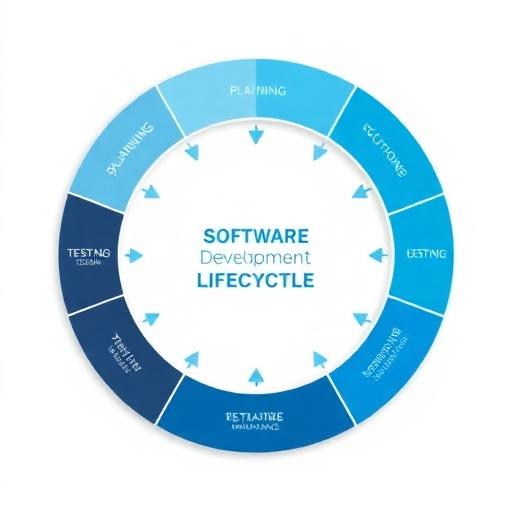
Vibe coding essentially bypasses the traditional Software Development Lifecycle, commonly known as the SDLC, that software engineers have relied upon for decades. Understanding this lifecycle is crucial to appreciating why spec-driven development offers significant advantages.
The traditional software development lifecycle takes a structured approach. Projects begin with planning and designing using specific project requirements, often documented in a Product Requirements Document or PRD. From there, developers take what's needed and begin implementing those features systematically.
The Complete SDLC Process
Once features are implemented, the testing phase begins to verify everything works correctly. Quality assurance processes ensure the code meets standards and functions as expected. Following successful testing, the application moves through deployment phases—from development to staging to production environments. Finally, ongoing maintenance keeps the project running smoothly over time.
While vibe coding feels like magic and offers incredible speed for simple tasks, it doesn't incorporate these proven software engineering principles. This is where spec-driven development enters the picture, bridging the gap between AI capabilities and traditional software engineering practices.
What Is Spec-Driven Development?

Spec-driven development represents a more structured approach to AI-assisted coding that incorporates key software development lifecycle components into AI-generated software development. It still leverages the power of Large Language Models as AI agents to write code and run tests, but it does so within a framework of specifications and requirements.
Like vibe coding, spec-driven development starts with a prompt. However, the crucial difference is that you're not prompting for a specific implementation. Instead, you're prompting what you want your system to do—the behavior and constraints you require. This specification then serves as a contract used to create requirements.
The Requirements-Centric Approach
These requirements become the main hierarchy governing how the entire project operates. How you want the model and agent to write code, perform tests, generate documentation, handle verification, and much more—all of this flows from the requirements specification. The requirements document becomes the single source of truth for the entire project.
If you're satisfied with the requirements, you can approve them and transform the requirement specification into a design document. This design document contains specific to-do items for each implementation task. Alternatively, if something doesn't quite match your vision, you can edit how you want the project implemented before any code is written.
Why Specifications Matter for AI Models

At the point where you're reviewing and editing specifications, nothing has been implemented yet. This is critically important because AI models perform best when given proper, detailed instructions. Having a comprehensive specification is far superior to having the LLM guess what solution might hopefully best fit your request.
Once you're satisfied with the design and understand exactly how you want the implementation to proceed in code, you can have the model begin implementation. The AI agent can then execute the development work, or you can continue making additional requests for specific implementation features you want to refine.
"AI models are all about proper instructions. Having a spec like this is much better than having the LLM guess what solution is going to hopefully best fit the user's request."
Comparing Development Approaches: Traditional, TDD, and Spec-Driven
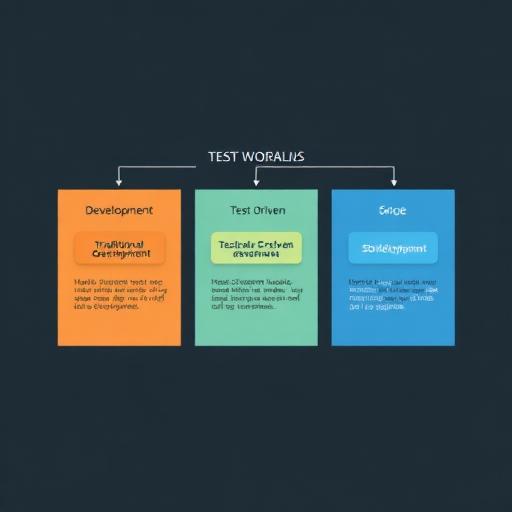
To fully appreciate spec-driven development, it helps to compare it against other development methodologies. Each approach has its place, but understanding their differences illuminates why spec-driven development is particularly well-suited for AI-assisted coding.
Traditional Development
In traditional development, the approach most developers started with, code comes first. You write code based on your intuition and understanding of the problem, and documentation follows afterward. While this approach is straightforward and allows for quick starts, it can lead to inconsistencies and technical debt over time.
Test-Driven Development
Test-Driven Development, often abbreviated as TDD, flips this approach. As the name suggests, you start by writing tests that define the functionality you want your application's behavior to exhibit. Only after the tests are written do you proceed to write the code that makes those tests pass. This methodology became popular because it ensures code quality and provides a safety net for refactoring.
Spec-Driven Development: The Evolution
Spec-driven development takes this evolution even further. You begin with specifications that define what the system should do, then move to design document requirements, and finally proceed to implementation. The code comes last, informed by everything that preceded it. Think of it as test-driven development and behavior-driven development combined and supercharged for the AI era.
Practical Example: Vibe Coding vs. Spec-Driven Development
Let's examine how these two approaches differ when tackling the same real-world task: creating a login page for user authentication.
The Vibe Coding Approach
With vibe coding, you're simply talking to the model and making quick edits on the fly. Your prompt might be something like: "I need a /login page for our users to authenticate." It's a perfectly reasonable request, but it raises immediate questions. How do we know exactly what the model will produce? There might be 30 different valid ways to implement user authentication, and you might need numerous back-and-forth exchanges with the model to get the result you want.
The Spec-Driven Approach
The spec-driven development approach differs significantly while still leveraging the LLM to create requirements for this feature. Here's how it might look:
- New Feature: User Authentication
- Endpoint: /login for POST requests
- Parameters: Accepts two variables—user and pass
- Error Handling: Returns a failure code if username is missing
This specification hasn't started any implementation—it's purely in the planning phase. But now we have clear documentation of exactly why the implementation will make certain decisions. If something doesn't work, we have a clear record to reference.
Generating Test Cases from Specifications
From these specifications, you can automatically generate test cases. For example, you might specify that valid credentials will return a 200 status code. This creates a comprehensive testing framework before a single line of implementation code is written.
When performing AI-assisted coding with specifications, there's far less ambiguity for coding agents. The spec becomes the primary artifact that drives all downstream work, including implementation, testing, documentation, and more.
Benefits of Spec-Driven Development for AI Engineering
Spec-driven development has emerged as one of the most important skills for anyone looking to become an AI engineer or effectively use AI tools for application development. The benefits are numerous and significant.
Reduced Ambiguity
By defining specifications upfront, you eliminate much of the guesswork that plagues vibe coding. The AI model has clear instructions about what to build, how it should behave, and what constraints apply. This clarity translates to more consistent, predictable results.
Better Documentation
The specifications themselves serve as documentation. When someone new joins the project or when you revisit code months later, the specifications explain the reasoning behind implementation decisions. This documentation is created before development, not as an afterthought.
Easier Testing and Verification
Test cases can be derived directly from specifications, ensuring comprehensive coverage. When tests fail, you can trace issues back to specific specification requirements, making debugging more straightforward.
Improved Collaboration
Specifications provide a common language for discussing project requirements. Product managers, designers, and developers can review and approve specifications before implementation begins, reducing miscommunication and rework.
When to Use Each Approach
Both vibe coding and spec-driven development have their place in a modern developer's toolkit. Understanding when to use each approach maximizes productivity and code quality.
Vibe Coding Is Ideal For:
- Quick prototyping and experimentation
- Learning new technologies or frameworks
- Small, self-contained scripts
- Exploratory coding sessions
- Personal projects with flexible requirements
Spec-Driven Development Is Ideal For:
- Production applications with specific requirements
- Team projects requiring coordination
- Complex features with multiple components
- Applications requiring comprehensive testing
- Projects where documentation is important
Final Thoughts
The way applications are being built is completely changing. The hardest part of development is no longer writing and reviewing code—it's knowing how to effectively convey what you want to build with an LLM. Spec-driven development addresses this challenge by providing a structured framework for communicating requirements to AI coding agents.
While vibe coding offers the magic of quick, conversational development, spec-driven development incorporates proven software development lifecycle principles into AI-assisted coding. By starting with specifications that define behavior and constraints, you create a contract that guides all subsequent development work.
This approach flips the traditional development model, making the specification the primary artifact that drives implementation, testing, documentation, and verification. For developers looking to leverage AI tools effectively while maintaining code quality and predictability, mastering spec-driven development is becoming an essential skill in the evolving landscape of software engineering.